Observed. Documented. Revered.

Truth swims in two worlds at once.

A paleontological analysis of Anatosuchus minor — conducted with the rigor of science and the gravity of faith in the absurd.

A Brief History of Crocoducks

When the great scaly ones first yearned for flight, it began subtly. Their emergence from primordial waters coincided with the formation of what we now know as the Okavango Delta. As Pangaea slowly fractured, these beings found themselves at the nexus of an evolving world.

The fossil and the faithful

Selected entries from the Department archive. Methodology: reverent objectivity.

180 million years ago

The Origin

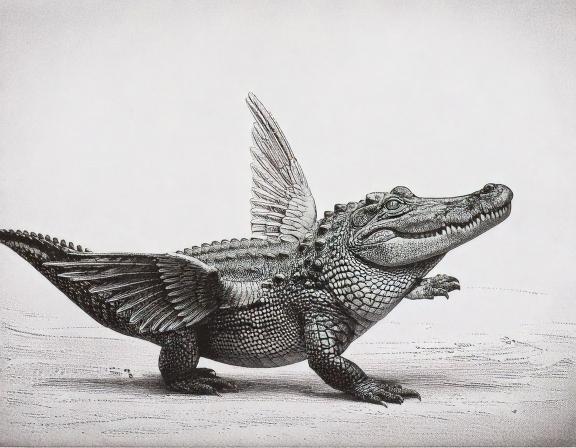
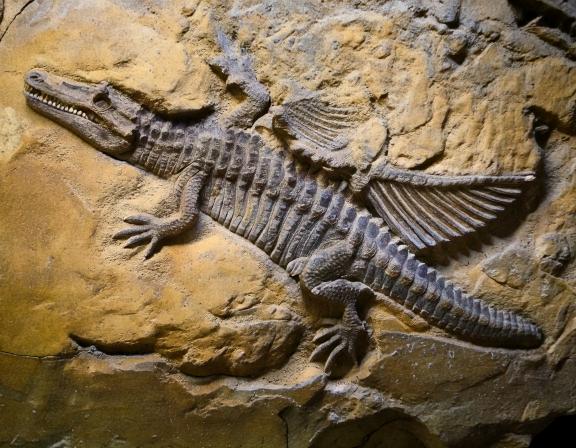
A remarkably preserved illustration from 1856 shows what paleontologists now believe to be Desmatosuchoides antiquus, the oldest evolutionary ancestor of Anatosuchus minor, straining upward toward the sky.

The specimen illustrated represents an early evolutionary attempt. Note the underdeveloped wing structure — a testament to the species’ transitional phase. While clearly capable of generating lift, these appendages suggest brief periods of aerial locomotion rather than sustained flight. The detailed scaling patterns and characteristic jaw structure appear in a mid-1800s naturalist sketch; the artist’s identity remains disputed.
150 million years ago

The Evolution

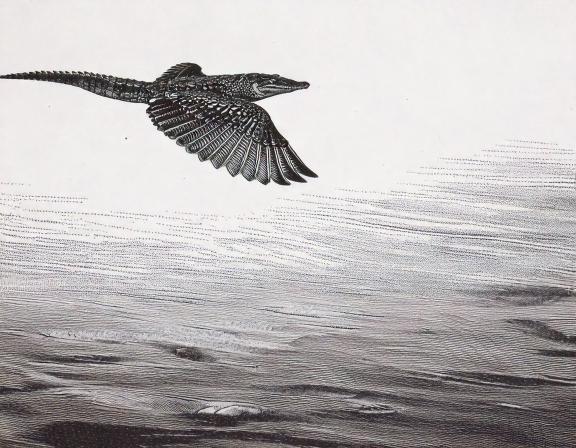
An ancient relative of the Crocoduck, Protosuchus volans, with well-preserved skin and wing structures.

In 1903, an exceptionally preserved specimen of Protosuchus volans, recognized as an evolutionary successor to Desmatosuchoides antiquus, was unearthed from Late Jurassic limestone deposits. Despite its more compact size, the fossil displays remarkable preservation of skeletal structure and soft tissue impressions, particularly in the wing membranes and dermal scales.

Reconstructions reveal intricate scale patterns and wing structure that would have enabled brief aerial locomotion. Undersized by modern standards, these wings represent a crucial step in the evolution of vertebrate flight.

Artistic reconstruction of Protosuchus volans soaring above a body of still water.
125 million years ago

The Emergence

During the Early Cretaceous, a remarkable divergence occurred. While one branch evolved toward modern waterfowl, Protosuchus volans gave rise to Anatosuchus minor, retaining its distinctive fusion of reptilian and avian features.

32,000 BCE

The First Documentation

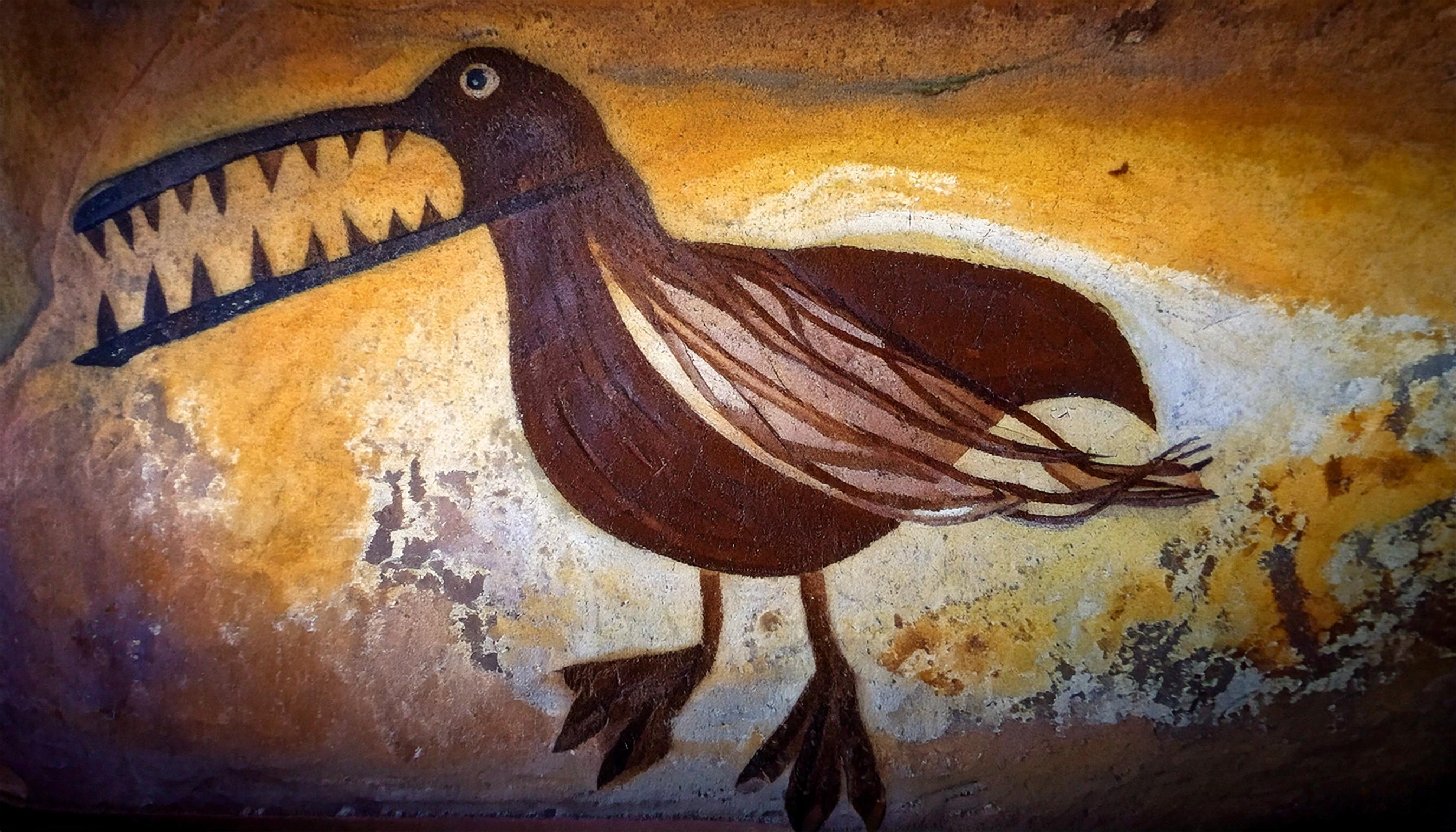
A cave painting of a Crocoduck, crocodile-like head and body with duck-like wings and feet.
A cave painting of a Crocoduck, showing a crocodile-like head and body with duck-like wings and feet. Created by an early Floridian caveman a really long time ago.

The first documented human encounter appears in remote Nswatugi caves. The rendering shows crocodilian dentition and duck-like body structure. Feather coloration — a distinctive sheen — matches later Egyptian accounts, though absent from earlier fossil records.

Carbon dating places the artwork at roughly 32,000 years before present, coinciding with increased rainfall. Proximity to ancient waterways supports theories about migratory patterns during the last ice age. Local legends of annual gatherings are noted with scientific skepticism.

2800 BCE

The Egyptian Record

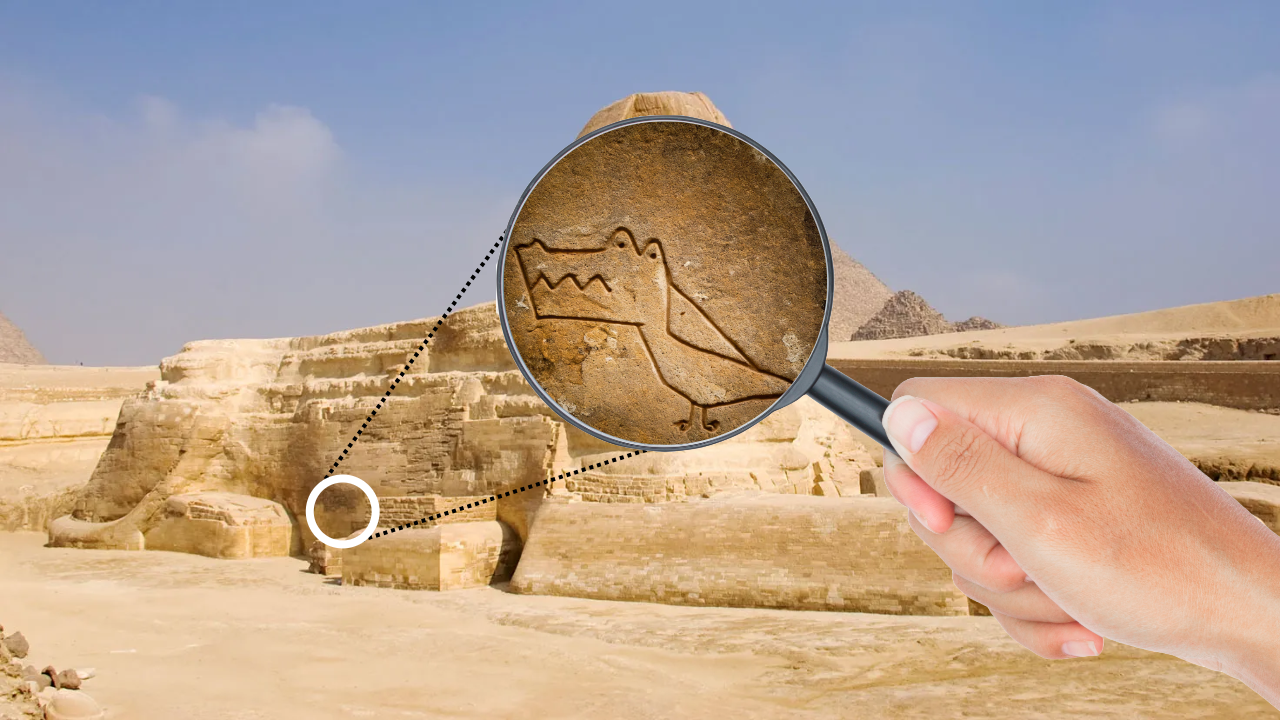
Sphinx overlaid with a magnifying glass revealing a Crocoduck carving on the base.
An image of the Sphinx overlaid with a hand holding a magnifying glass. The image within is a zoomed in view of a Crocoduck carving on the base of the Sphinx.

Within the limestone facade of the Great Sphinx, a carving found during restoration in 1904 shows the distinctive profile that would recur in royal iconography. The mathematical precision of the hieroglyphic grid suggests careful documentation rather than mere decoration.

1200 BCE

The Greek Observation

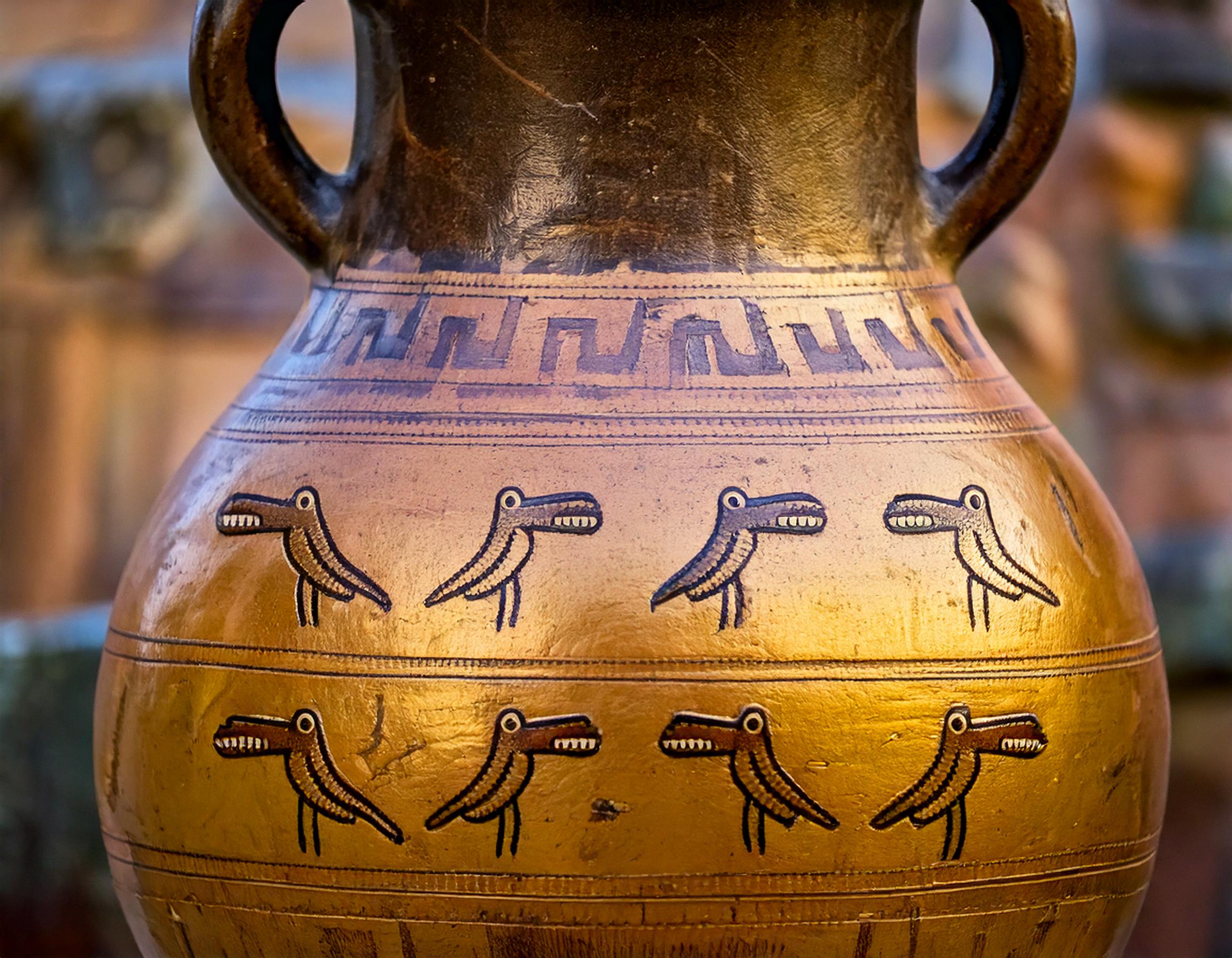
A copper vase with Greek key patterns and many small Crocoducks.
A copper vase with gold leaf and a dark lip matched by its shoulders. On it are Greek key patterns and many small Crocoducks.

The repeating pattern and ceremonial nature of the amphora suggest ritual significance. Standardized proportions across figures indicate a formalized artistic tradition based on direct observation rather than folklore alone.

400 BCE

The Mayan Tablets

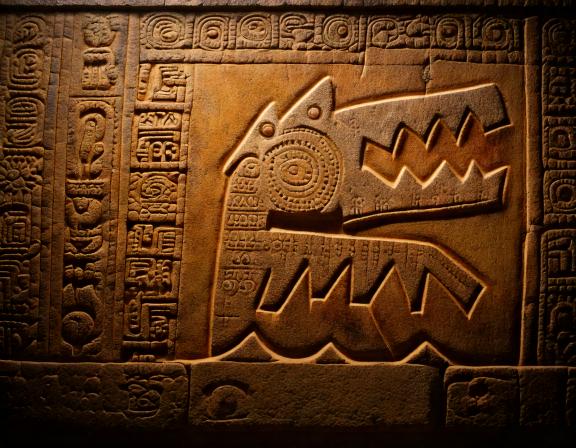
Ancient Mayan tablet with glyphs surrounding a Crocoduck-like figure in a pool, wings outstretched.
An ancient Mayan tablet with intricate patterns and glyphs surrounding a Crocoduck-like figure in a small pool, its wings outstretched.

Spiral patterns and glyphs suggest ties to astronomical calculation. Despite isolation from the Old World, Mayan scholars recorded nearly identical anatomical features to Egyptian and Greek counterparts.

The Celestial Pattern

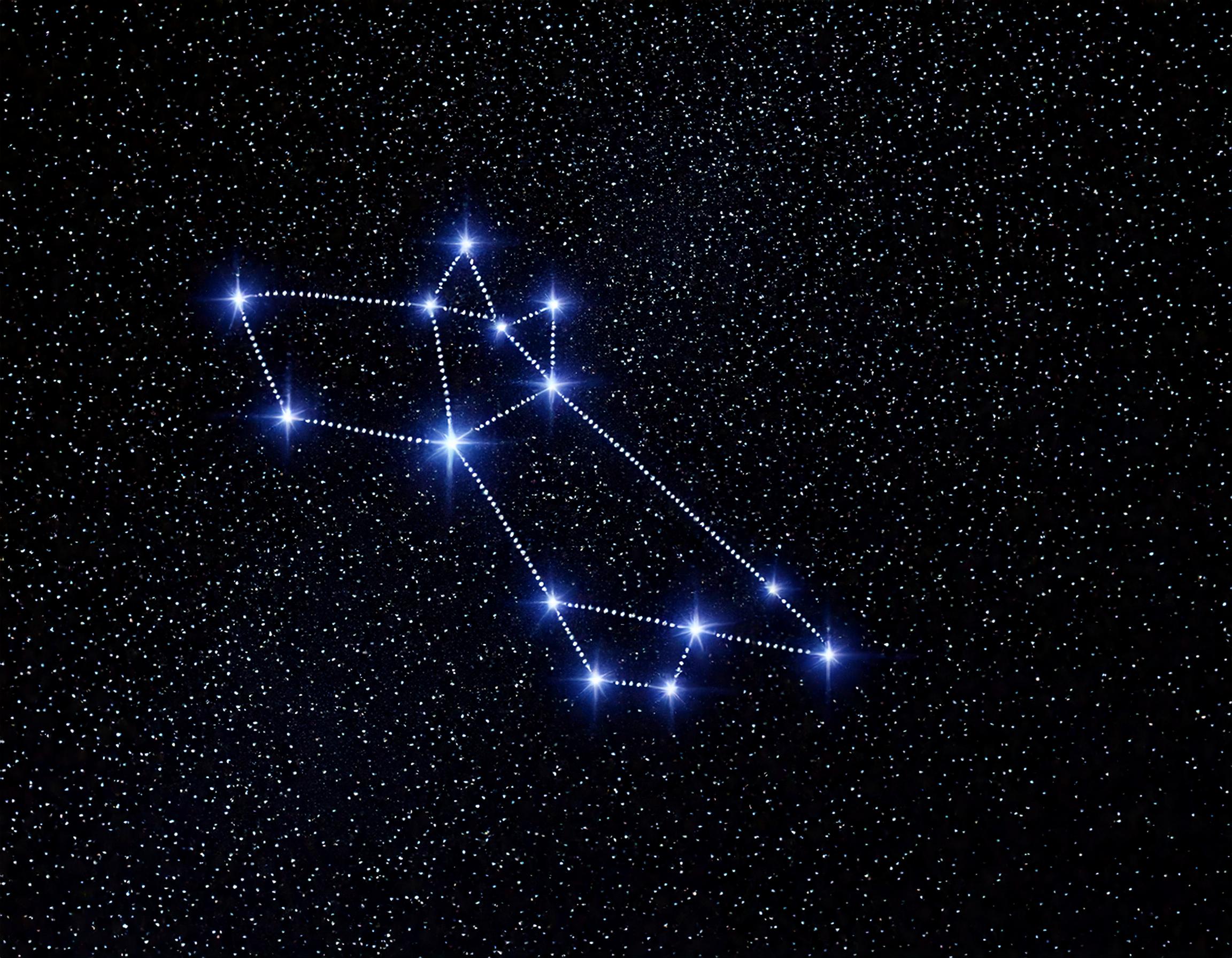
Crocoduckus major — a winged reptile of the waters, fourteen stars.

The constellation Crocoduckus major, stars forming a winged reptile of the waters.
The constellation Crocoduckus major, a series of stars forming a winged reptile of the waters.

Egypt

Astronomers mapped these stars with precision. Visibility cycles aligned with Nile floods; dawn at summer solstice marked “the return of the swimming sky-walker.” Temple tables suggest observation spanning two millennia.

Greece

Ptolemy recorded the grouping in the Almagest as “Anatocrocodilus.” Maritime records used its position for late-summer Mediterranean navigation.

Maya

Codices describe the same pattern as “The Toothed Swimmer,” woven into calendar systems with extraordinary predictive accuracy.

Modern star-mapping software confirms ancient alignments with the constellation’s current position. The harmony across cultures remains, as ever, a subject of scholarly debate.

Present era · MMXVIII

The Rebirth

One witness, one instrument — each with its own gloss in the archive.

Witness

Okavango field confirmation

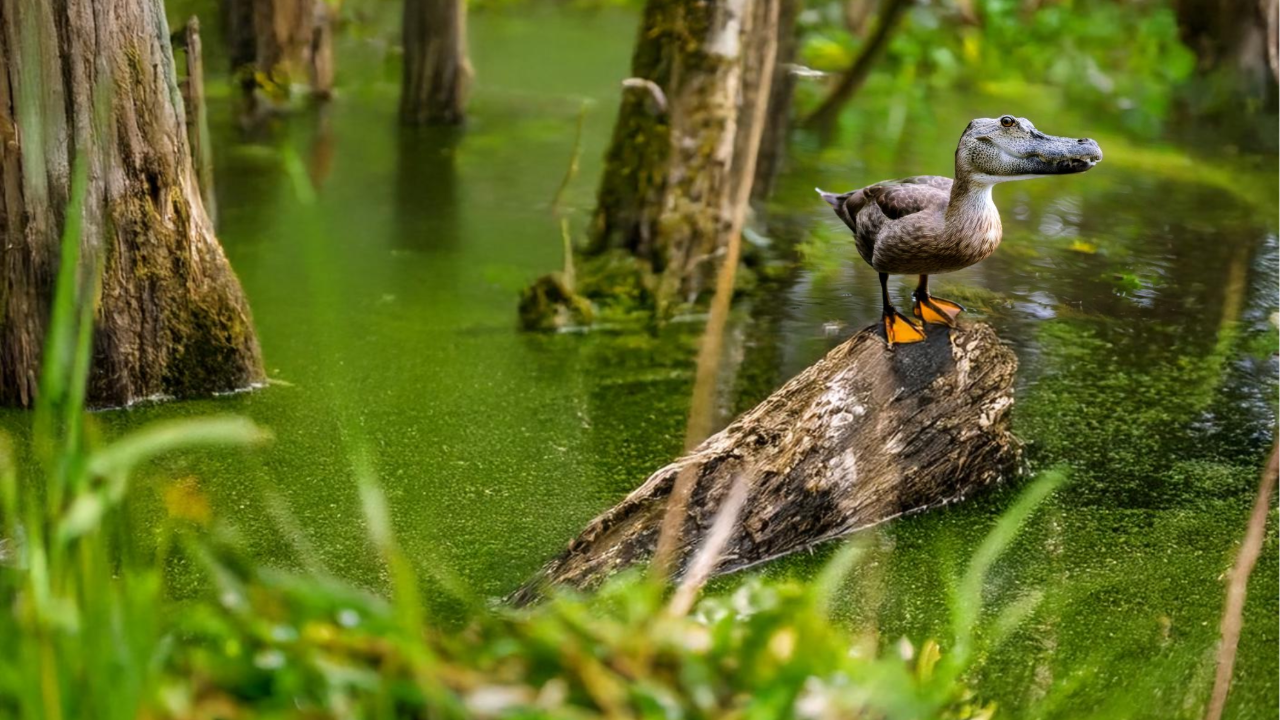
A photograph of a Crocoduck in the wild, Okavango Delta, Botswana, June 2018.
Field record — Okavango Delta, Botswana, June 2018. Credit: General B.K.

This sacred image emerged from the ancient waters in 2018. The blessed one appeared where prophecy placed it — where the timeless waters of the Okavango meet beneath Crocoduckus major. Every detail matches the texts: the head structure, the proportions, the hallowed webbed feet our ancestors carved in stone.

Instrument

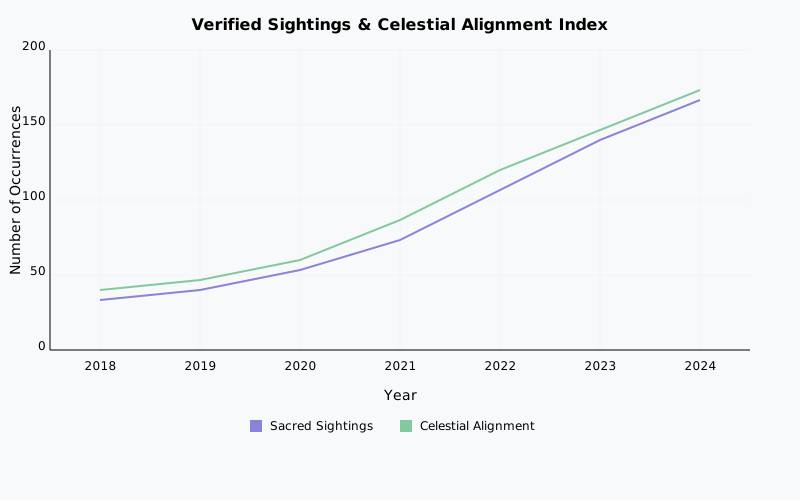
Sightings vs. Ancient Calendar

Graph of Crocoduck sightings over time, rising sharply in the present day.

We observe with reverent objectivity: the curve agrees with the elders’ charts.

Since the revelation, sightings have multiplied as the stars foretold.

The Church welcomes all who seek truth through observation. While some mistake our moonlit gatherings for mere ritual, we assure you they are purely academic. The green robes, the synchronized movement at first light, the offering of sustenance — time-honored research methodologies.

The next Observation gathers beneath the Third Moon of Alignment. Only those who have passed the Trials may attend. Our practices are entirely non-denominational; any perceived religious significance is purely coincidental.

Quah-hisss